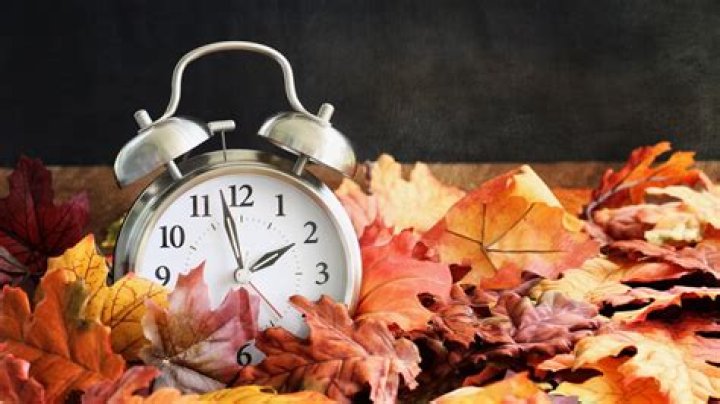
Daylight saving time: Did clocks change last night?

John Parsons
Published Jan 16, 2026
Tickers pushed ahead one hour on Sunday, Walk 12 at 2 AM in states that notice sunshine saving time
As light saving opportunity arrives to an end for the year on Sunday, November 5, 2023, at 2 a.m. neighborhood time, the tickers will fall back in the future
Sunshine Saving Time was first seen in Germany on April 6, 1916, during The Second Great War
Tickers pushed ahead one hour on Sunday, Walk 12 at 2 AM in states that notice sunlight saving time. The change from standard time, which started in November, signals hotter days.
Nightfall time will be pushed to almost 7 AM.
Did the clocks change the previous evening? Indeed, the timekeepers pushed ahead an hour at 2 a.m. nearby time on Sunday, Walk 12, 2023, to start sunlight saving time. As sunlight saving opportunity arrives to an end for the year on Sunday, November 5, 2023, at 2 a.m. neighborhood time, the clocks will fall back in the future.
To put it plainly, at 2 AM on Sunday, the clock hopped forward to 3 AM. According to arrangements of the Energy Strategy Demonstration of 2005, which altered the Uniform Time Demonstration of 1966, sunlight saving time starts on the subsequent Sunday in Spring. It adds that the change will stay basically until the primary Sunday in November.
My bill to make Daylight Saving Time permanent passed the Senate by unanimous consent last year. This year, let’s make it law.
— Senator Marco Rubio (@SenMarcoRubio) March 2, 2023
The spring Light Saving Time occasion adds 60 minutes, bringing about “one hour less in the day.” The fall Sunlight Saving Time, then again, takes away 60 minutes, signifying “there is an additional hour in the day.”
The custom of changing the clocks in the fall and spring traces all the way back to The Second Great War. Light Saving Time was first seen in Germany on April 6, 1916.
With a couple of exemptions, most of the US and Canada notice DST on similar dates. Aside from those, under 40% of the countries all over the planet execute sunshine saving time. Residents of Hawaii and a large portion of Arizona, where the time span is dependably reliable consistently, are exemptions for this laid out training.
The two times yearly act of changing the timekeepers has been reprimanded lately by various legislators. Besides, a Walk 2022 news survey saw that as 33% of Americans favored extremely durable standard time, and 46% favored long-lasting sunshine saving time. The leftover 21% just acknowledge the current situation.