T
The Daily Insight

How do you dilute beta mercaptoethanol

Author

Olivia House

Published Feb 14, 2026

How do you dilute mercaptoethanol?

Add 1.7 µl (0.8 µl for JM109) of beta-mercaptoethanol provided with the kit or a fresh 1:10 dilution (stock 14.4 M) of beta-mercaptoethanol (diluted in high-quality water) to the 100 µl of bacteria, giving a final concentration of 25 mM. Swirl the contents of the tube gently.

What is the concentration of mercaptoethanol?

Mercaptoethanol, 2-

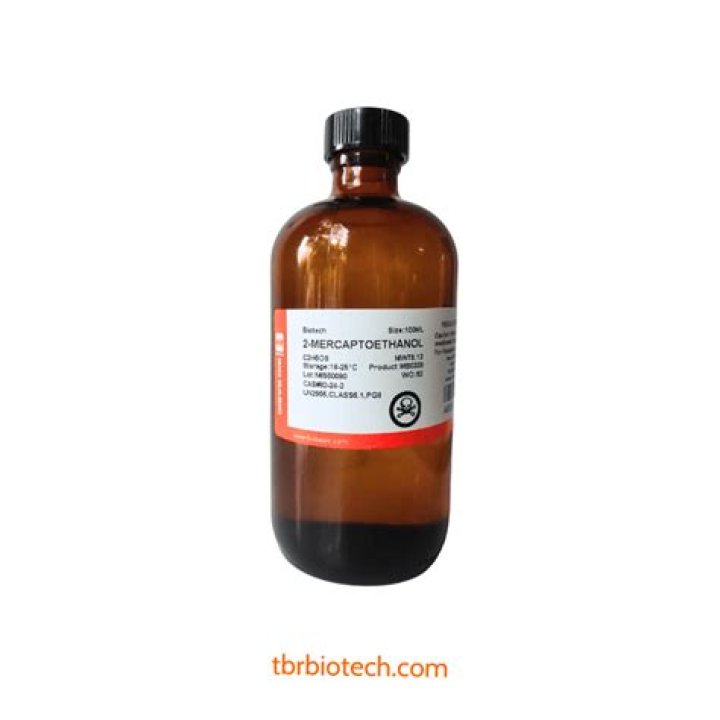
2-Mercaptoethanol (2-ME) is a clear colorless to very faint yellow liquid that boils at 157–158 °C and has a concentration of 14.3 M (mol l1). The bulk product decomposes slowly in air. If kept sealed at room temperature, it will remain pure (more than 99%) up to 3 years.

Is beta-mercaptoethanol a liquid?

Thioglycol appears as a water-white liquid. May be toxic by ingestion, inhalation, or skin absorption.

How do you neutralize beta-mercaptoethanol?

BME odor can be neutralized using standard household bleach. Bleach acts as an oxidizer and converts the thiol group of beta mercaptoethanol into a sulfonic acid derivative which eliminates the natural gas odor. Be sure to absorb any excess BME liquid with an inert absorbent prior to odor decontamination with bleach.

What does beta-mercaptoethanol do?

Beta-mercaptoethanol (ß-ME) is a reducing agent that will irreversibly denature RNases by reducing disulfide bonds and destroying the native conformation required for enzyme functionality.

Is beta-mercaptoethanol stable in solution?

Gibco® 2-Mercaptoethanol (also known as beta-mercaptoethanol or BME) is a potent reducing agent used in cell culture medium to prevent toxic levels of oxygen radicals. Mercaptoethanol is not stable in solution so most protocols require daily supplementation.

Why does BME smell so bad?

Since BME is fairly volatile, EH&S surmised that the lingering odor was related to a small amount that had vaporized; however, the odor was also present down the hallway, approximately 30 feet from the lab. EH&S contacted Facilities Management (FM) to aid in the investigation of the ventilation system in the lab.

How do you handle mercaptoethanol?

2-Mercaptoethanol has an unpleasant odor at extremely low concentrations. Therefore, extreme care should be taken when handling; always work with under a chemical fume hood. Keep container upright and tightly closed in a dry and well-ventilated place. Containers should remain closed when not in use.

How do you clean mercaptoethanol?

Use an inert absorbent material (sorbent pads, vermiculite, dry sand) to clean up the spill. Do not use combustible materials (i.e. saw dust) to absorb spill. Place contaminated PPE and clean-up materials in a sealed container for pick-up by EHS-HMM (see waste disposal section for more information).

Is BME a carcinogen?

Substance is neither a known nor an anticipated carcinogen. Not listed by NTP, IARC, or OSHA. Toxic effects possible by inhalation, ingestion, and skin absorption.

How toxic is beta mercaptoethanol?

BME can be toxic if ingested, and fatal if inhaled or absorbed through the skin. Vapors can irritate the eyes, mucous membranes, and respiratory tract. Symptoms of inhalation exposure may include coughing, sore throat, and/or shortness of breath. … BME is combustible as a liquid or vapor!

What does a lab smell like?

Bred to work in and around water, Labradors have a dense double coat with an oily outer layer which offers almost perfect waterproofing. These oils in your dog’s fur are part of the source of his distinctive doggy smell. And they can smell particularly strong when your dog is damp and drying off after a swim.

Is 2 mercaptoethanol flammable?

Not flammable or combustible. Use water spray, alcohol-resistant foam, dry chemical or carbon dioxide. Wear self contained breathing apparatus for fire fighting if necessary.

Where is acrylamide found?

The major food sources of acrylamide are French fries and potato chips; crackers, bread, and cookies; breakfast cereals; canned black olives; prune juice; and coffee. Acrylamide levels in food vary widely depending on the manufacturer, the cooking time, and the method and temperature of the cooking process (5, 6).

Are there any safety considerations you should make when using β me?

Beta-mercaptoethanol is very smelly, and your lab mates will not be happy with you if you fill the lab with it. Use it in an externally vented fume hood. Or use something less volatile as a reducing agent, such as TCEP or DTT. (irritant), of inhalation.

What is the signal word for acetone?

H225: Highly flammable liquid and vapour. H319: Causes serious eye irritation H336: May cause drowsiness or dizziness P210: Keep away from heat/sparks/open flames/hot surfaces – No smoking. P305+351+338: IF IN EYES: Rinse cautiously with water for several minutes.

Is bromophenol blue toxic?

Not a dangerous substance according to GHS. Inhalation May be harmful if inhaled. May cause respiratory tract irritation. Skin May be harmful if absorbed through skin.

Is beta mercaptoethanol a reducing agent?

Pure liquid (14 M), beta-mercaptoethanol (BME, 2BME, 2-ME, b-mer, CAS 60-24-2) is a thiol reducing agent for cleaving protein disulfide bonds (cystine).

Is 1% acetone flammable?

Pure acetone is a colorless liquid, which has a distinctively sweet, pungent odor. The flashpoint of 0°F (-18°C) makes it a highly flammable liquid, which can ignite even as a low concentration mixture with water.

What is the flammability of acetone?

At temperatures greater than acetone’s flash point of −20 °C (−4 °F), air mixtures of between 2.5% and 12.8% acetone, by volume, may explode or cause a flash fire. Vapors can flow along surfaces to distant ignition sources and flash back.

What other materials should you avoid when working with acetone?

Conditions to Avoid: Open flames, sparks, static discharge, heat and other ignition sources. Prolonged exposure to sunlight. Incompatible Materials: Reacts violently with: oxidizing agents (e.g. peroxides), organic acids (e.g. acetic acid), strong reducing agents (e.g. hydrides).