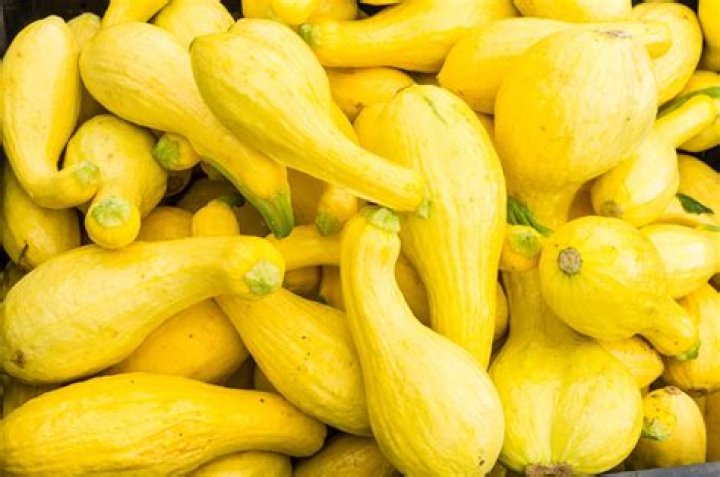
How to cook bumpy yellow crookneck squash

Natalie Ross
Published Feb 16, 2026
What do you do with yellow bumpy squash?
So, the bumps on the skin of your yellow squash are natural. Pick the squash when young and don’t leave them to become old and ‘woody’. They are ready to eat when you can still make an indent in the flesh with your nail.Do you peel yellow crookneck squash?
Zucchini, yellow squash, and crookneck squash all have completely edible skin and seeds. Pattypan squash generally has edible skin, but the larger the squash the tougher the skin is. Take the time to roast a larger pattypan so the skin becomes softer, and you may want to remove the large seeds.Is crookneck squash supposed to be bumpy?
The plants are bushy and do not spread like the plants of winter squash and pumpkin. Most often used as a summer squash, it is characterized by its yellow skin (which may be smooth or bumpy) and sweet yellow flesh, as well as its distinctive curved stem-end or “crooked neck”.Do you peel yellow squash before cooking?
Do you have to peel yellow squash before cooking? There is no need to peel your squash before cooking, however, I definitely recommend washing it clean before cutting.What to do with squash that got too big?
Serve while still warm.- Super Easy and Delicious Zucchini Butter (or Marmalade)
- Pesto-Topped Grilled Summer Squash.
- 100% Whole Wheat Coconut Zucchini Bread.
- Baked Zucchini Chips.
- Make Summer Squash “Pasta”
- Summer Squash Fritters with Roasted Red Pepper Dip.
- Summer Squash Pizza Crust.
Can you eat yellow squash raw?
Yes, you can eat raw yellow squash. It should be noted, however, that the smaller the squash, the less bitter and more sweet it will taste. It can be used it savory or sweet dishes, just cut it up and toss it in.Is raw yellow squash good for you?
Also known as summer squash, yellow varieties of squash provide numerous health benefits. The vegetable is high in vitamins A, B6, and C, folate, magnesium, fiber, riboflavin, phosphorus, and potassium. That’s a serious nutritional power-packed veggie. Yellow squash is also rich in manganese.Will raw squash make you sick?
Squash can contain a toxic compound called cucurbitacin E., which can cause cucurbit poisoning, also known as toxic squash syndrome (not to be confused with toxic shock syndrome) in people who ingest it.Can Squash make you sick?
A study published in Clinical Toxicology in 2018 published a study from France that found 353 cases of reported adverse effects reported from eating bitter squashes. Diarrhea, vomiting, and abdominal pain were the most common symptoms.Can Squash be poisonous?
Live Science reported that squash and other produce in the Cucurbitaceae family contain a group of chemicals called cucurbitacins, which have a bitter taste and also can be toxic to humans.How do you know if a squash is bad?
How to tell if Squash is bad, rotten or spoiled? Winter squash will begin to get soft and then begin to leak liquid when they are going bad. They may also begin to mold, at which point they have gone bad and you will want to throw them out.What is toxic squash syndrome?
The toxicity associated with consumption of foods high in cucurbitacins is sometimes referred to as “toxic squash syndrome“. In France in 2018, two women who ate soup made from bitter pumpkins became sick, involving nausea, vomiting, and diarrhea, and had hair loss weeks later.How do you prevent toxic squash syndrome?
To prevent cucurbitacin poisoning, keep the following in mind: Do not eat wild cucurbits. They are poisonous! If you eat a cultivated cucurbit with an unusually strong, bitter taste, spit it out.Does squash make you poop?
Vegetables can also add fiber to your diet. Some high-fiber vegetables are asparagus, broccoli, corn, squash, and potatoes (with the skin still on). Salads made with lettuce, spinach, and cabbage will also help.What causes toxic squash syndrome?
Toxic Squash SyndromePumpkins are classified as cucurbits, a family of flowering gourd plants that also include cucumbers, melons, and squash. Cucurbit poisoning, also known as toxic squash syndrome, occurs when a person eats a cucurbit that contains an elevated level of cucurbitacin E.