How to store rice paper

Emily Cortez
Published Feb 18, 2026
Do you keep rice paper in the fridge?
Do I need to refrigerate the wrapper? Rice paper is a dried product so like most others that are similar, storing it in a cool, dry location such as a pantry, is fine. However, keeping it in the fridge will guarantee that it stays dry and may even extend the storage time.How long does rice paper Keep?
“Rice paper lasts indefinitely,” says cookbook author Andrea Nguyen, who just won a James Beard Award for “The Pho Cookbook.” “When I’m gone, they’ll still be here.” So, yes, stock up on rice paper wrappers, because these rounds, which feel almost like plastic when dry, will survive just fine in your pantry.How do you keep rice paper from getting hard?
How do you save rice paper?
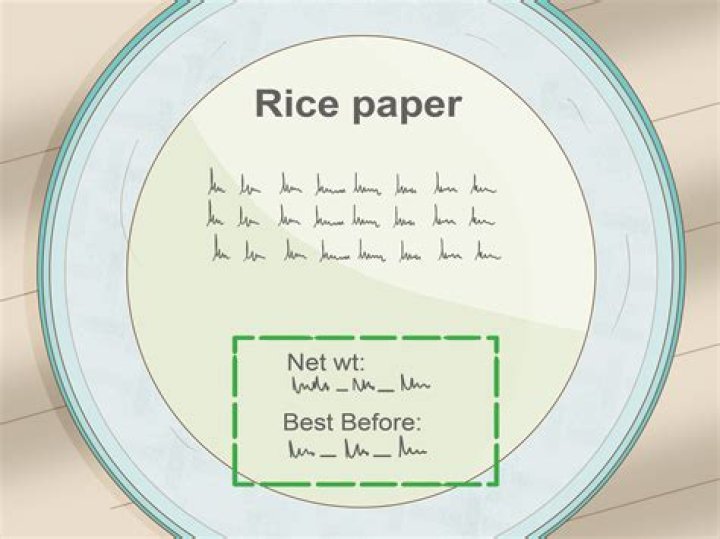
To store rice paper, start by wrapping it in food-grade plastic wrap if you’ve already opened the package. Then, place the wrapped rice paper in its original packaging and store it in a cool, dry place. Make sure you use the rice paper before the date specified on the package.How long do rice paper rolls last in fridge?
Storing: The rolls taste best the day they are made, but they can be stored in the refrigerator for 2-3 days. Wrap each roll individually in plastic wrap (to keep the wrapper soft and to keep them from sticking together) and store in an air-tight container in the fridge.Can you eat rice paper raw?
Rice paper is sold in dried sheets. Once rehydrated, rice paper can be eaten as is — like with summer rolls — or fried. Fresh rolls are the most common way we work with rice paper in our kitchen.Is rice paper healthier than rice?
Fillings MatterThe rice paper rolls have less rice which means potentially more fibre, protein and nutrients from the fillings. However, sushi rice is wrapped in seaweed which gives your body nutrients like iodine for thyroid health as well as a source of iron.
Is rice paper high in carbs?
Rice Paper Spring Roll Wrappers (1 sheet) contains 8g total carbs, 8g net carbs, 0g fat, 0g protein, and 35 calories.Is it good to eat rice paper?
Replacing high-calorie refined flour with rice paper can help you enjoy the spring rolls without feeling guilty. Including rice paper rolls in your diet is a healthy choice, as the thin sheets won’t make you sleepy or feel heavy on the tummy. It works great with lunch snacks, or even on the go meal preps.Can I eat rice paper everyday?
Rice paper rolls are a delicious and nutritious option to enjoy as a snack or as a meal. The roll is low in carbohydrate and fat and offers a moderate protein content. The vegetables make the roll high in fibre and offer your body lots of good vitamins and minerals.Is rice paper the same as spring roll wrappers?
Unlike the other wrappers, you do not cook rice papers. Generally, rice papers are used to wrap ingredients for summer rolls (aka fresh spring rolls). SPRING–ROLL WRAPPERS. Made from wheat flour, these wrappers are used in east- and southeast-Asian cuisine and are the most versatile of all the variations.Are rice noodles good for you?
Rice noodles provide a healthy alternative to yellow egg noodles and can be used in pretty much all traditional Asian recipes. They do not contain any wheat flour, meaning they are gluten-free and suitable for anyone with gluten intolerance or celiac disease.Is it rude to drink Pho from bowl?
It’s considered rude to take food from a shared dish and put it immediately in your mouth. Don’t slurp pho. Don’t lift your bowl off the table and eat with the bowl in your hand.Which is healthier rice noodles or pasta?
Enriched regular pasta has more vitamins and minerals than rice noodles because it contains added iron, thiamin, niacin, riboflavin and folic acid. The biggest difference between the two noodles is their folate contents. Regular pasta has 83 micrograms of folate, versus 3 micrograms in rice noodles.What is healthier egg or rice noodles?
Rice noodles have slightly fewer calories than egg noodles do. Egg noodles have about 200 calories per 1-cup serving, while rice noodles contain 192 for the same portion. This is not a huge difference, though it could be important if you are on a doctor-supervised very low-calorie diet.What is the healthiest noodle to eat?
6 Healthy Noodles You Should Be Eating, According to a Dietitian- Whole-wheat pasta. Whole-wheat pasta is an easy to find healthier noodle that will bump up the nutrition of your pasta dish.
- Chickpea pasta.
- Veggie noodles.
- Red lentil pasta.
- Soba noodles.
- White pasta.
What kind of noodles are low carb?
Shirataki noodles are long, white noodles also known as konjac or miracle noodles. They’re a popular, low–carb alternative to pasta because they’re very filling yet have few calories. They’re made from a type of fiber known as glucomannan, which comes from the konjac plant.Are rice noodles clean eating?
But like anything else, they’re only as healthy as what you cook them in. If you want to keep them as lean and clean as possible, prepare them with lots of fresh veggies and lean proteins while steering clear of pre-seasoned noodles or noodles that come with a packet of broth or seasoning.What noodles are clean eating?
Let’s take a closer look at some healthy noodles to add to your recipes and meals.- 6 Healthy Noodles and How to Cook Them.
- Whole-Wheat Noodles.
- Chickpea Pasta.
- Vegetable Noodles.
- Shirataki Noodles.
- Rice Noodles.
- Kelp Noodles.
- 6 Shakeology Recipes Inspired by Your Childhood Treats.
Why is pad Thai so bad for you?
It’s rather an inconvenience, therefore, to know that Pad Thai is one of the unhealthiest things to eat in a Thai restaurant. The 40 gms of fat in Pad Thai is half of what an average person should consume in 24 hours, and the 2,500 mg of sodium is 175 per cent more than the daily allowance.Are rice noodles easily digestible?
Certain StarchesAdd foods such as hot rice cereal or wheat cereal, grits, crackers and toast to your list of easily digestible foods. Rice and pasta are also good choices, but eat them without fats like butter or margarine or spicy sauces that can make them more difficult to digest.