When should you take bcaa

John Parsons
Published Feb 17, 2026
When should I take BCAA for best results?
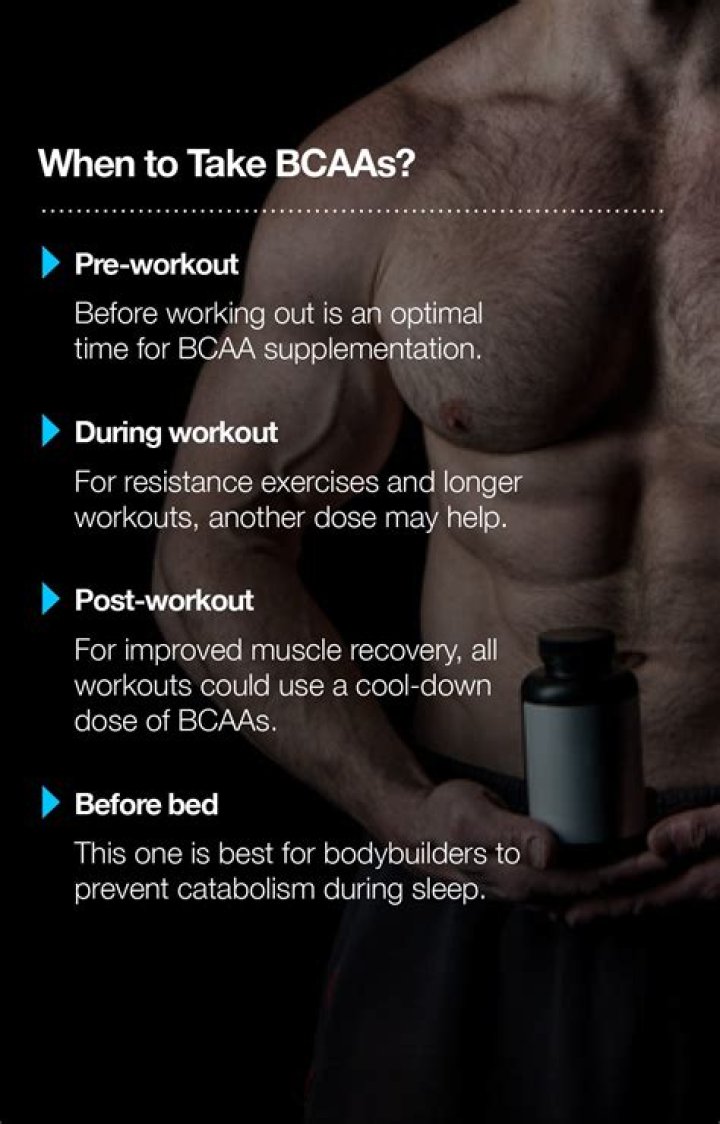
It’s best to take BCAA supplements before a workout, up to 15 minutes pre-workout or taken during your workout to prevent further fatigue.Should I take BCAAs before or after workout?
Taking BCAAs before or after exercise may be equally effective in providing muscle protection. Also, you may not need to time them precisely to support muscle building. Getting an adequate dose based on your body weight is essential, as well as continuing to take them in the long term, including on nonexercise days.Will BCAA make me fat?
BCAAs may enhance weight lossIn fact, observational studies report that those consuming an average of 15 grams of BCAAs from their diet each day may have up to 30% lower risk of becoming overweight or having obesity than those consuming an average of 12 grams per day ( 35 , 36 ).
Should you take BCAA on rest days?
Should You Take BCAAs On Rest Days? The quick answer is yes. Like we mentioned earlier, BCAAs play an important role in muscle repair and recovery, which means that their role on off-days comes into play through accelerating muscle repair to enable a faster, more efficient recovery.Which is better BCAA or creatine?
Whether BCAAs or creatine is better will depend on your fitness goals, as well as your diet. If your workouts are based on endurance, BCAAs might be more beneficial for you. If your workouts are intensity or power-based, creatine may be the better choice.Is it good to take BCAA before bed?
Taking BCAAs before bed can provide your body with essential amino acids, the building blocks of protein. This is the case for BCAA-only supplements. If your supplement contains other ingredients such as caffeine, then taking it before bed can be problematic.Is it OK to drink BCAA without working out?
Are you drinking BCAAs at the right timeBCAAs should be taken either before, after or in-between a workout. When you take BCAAs before exercising, you are able to preserve the lean muscle mass that would otherwise be lost due to a calorie deficit diet or training on an empty stomach to accelerate fat loss.
Is drinking too much BCAAs bad for you?
Research from the University of Sydney concluded that relying too heavily on BCAAs (branched chain amino acids, which are found in protein shakes) may reduce lifespan, and cause weight gain and a lower mood.Can I take BCAA and pre workout together?
CAN YOU COMBINE PRE-WORKOUT AND BCAA? You sure can. Although the battle is often BCAA or pre-workout, the two can actually work well together. This is because they both serve their own purpose, making the combination a powerful supplement to your workout.Does BCAA help lose belly fat?
BCAA metabolites were found to be a significant indicator of lean mass in a population of young and middle-aged adults. People who consume a threshold dose of essential amino acids that contain BCAAs with every meal have less visceral belly fat and more muscle mass.Should you drink BCAAs everyday?
Research has shown supplemental BCAA intake to be safe for healthy adults in doses of 4-20 g per day, with prolonged intake one week or more showing greater benefits than acute (short term) intake. Aim for 2-3 g leucine between meals, before, during or after workouts to maximize muscle protein synthesis.Does BCAA have side effects?
When consumed in large amounts, BCAA side effects can include fatigue, loss of coordination, nausea, headaches, and increased insulin resistance (which can lead to Type 2 diabetes). BCAAs may affect blood sugar levels, so anyone having surgery should avoid them for a period of time before and after surgery.Does BCAA increase testosterone?
The result of the current study shows that Exercise and/or BCAA can increase the level of testosterone. This result is in accordance with previous literatures that demonstrated testosterone level could significantly increase during overreaching training if accompanied by BCAA supplementation.What are BCAAs good for?
BCAA supplements have been shown to build muscle, decrease muscle fatigue and alleviate muscle soreness. They have also successfully been used in a hospital setting to prevent or slow muscle loss and to improve symptoms of liver disease.Who should not take BCAA?
BCAAs may interfere with blood glucose levels during and after surgery. You may also be at increased risk if you have chronic alcoholism or branched-chain ketoaciduria. Also, avoid using BCAAs if you are pregnant or breastfeeding.Can BCAA cause depression?
Side EffectsIn one study, supplementation with a large amount of BCAAs (60 grams) caused alterations in the blood levels of tryptophan, phenylalanine, and tyrosine. The changes in the blood levels of these amino acids could, in theory, cause depression in susceptible individuals.
Can BCAA cause hair loss?
Cutting straight to it, BCAA does not cause hair loss and there are studies and theories that have shown that it might actually help to prevent it. BCAA supplements have shown promise in boosting the potassium ions which can help in improving the effectiveness of hair loss medications.Why are BCAAs useless?
Several studies have shown that in order to achieve muscle protein synthesis, you need all 9 of the essential amino acids present. … Simply put – this makes the BCAA’s you consumed pretty much useless if taken alone, since you also need adequate amounts of the other 6 amino acids.Do BCAAs cause anxiety?
In an experimental study on rats, dietary supplementation of BCAAs reduces exploratory behavior and increases anxiety [29]. These findings suggest that increased BCAAs levels may influence psychological health.Are BCAAs bad for your kidneys?
The BCAAs rapidly interfered with renal function, decreasing GFR and stimulating kidney fibrosis, thus increasing CKD progression, presumably via their effect on energy metabolism.Does BCAA make you sleepy?
The branched chain amino acids (BCAAs), leucine, isoleucine and valine, have gained much attention as to a possible central mechanism of fatigue originating in the brain. … When the ratio of TRP to BCAAs increases, more serotonin enters the brain (thus causing fatigue).Is BCAA bad for your heart?
BCAA and Cardiovascular DiseasesIn addition to the effects on mood, the excess consumption of BCAA supplements may be linked to an increased susceptibility to cardiovascular disease. Research has shown that the metabolism of amino acids is potentially involved in the development of heart disease.